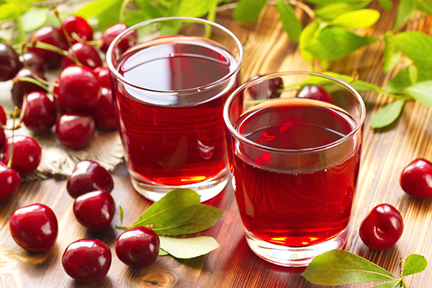
Tart Cherry Juice for Sleep: Does Science Back the Hype?
In the quest for a good night's rest, countless remedies, both ancient and modern, have emerged. Among the latest natural contenders making a significant splash on social media and health blogs is tart cherry juice. Hailed as a "better-for-you nightcap," it's quickly gaining popularity among those seeking a non-pharmacological approach to improve their slumber. But beyond the buzz, what does the science actually say about cherry juice for sleep? Is it truly a game-changer, or just another fleeting trend? Let's dive into the research to uncover the truth.
The Science Behind the Slumber: What Makes Tart Cherries Special?
Tart cherries, specifically the Prunus cerasus variety (also known as sour cherries), are not your average sweet snack. These smaller, brighter, and decidedly more piquant cherries pack a unique nutritional punch that sets them apart. The two most talked-about compounds contributing to their sleep-promoting potential are melatonin and tryptophan.
- Melatonin: The Sleep Hormone
Tart cherries are a natural, albeit modest, source of melatonin. This hormone is naturally produced by your pineal gland and plays a crucial role in regulating your body's circadian rhythm, essentially signaling to your brain when it's time to wind down for sleep. While the amount in a serving of juice might be lower than a typical melatonin supplement, its natural presence is a key factor in the juice's appeal. - Tryptophan: The Precursor
Beyond melatonin, tart cherry juice also contains tryptophan, an essential amino acid. Your body doesn't produce tryptophan on its own, so it must be obtained through diet. Once ingested, tryptophan serves as a precursor for both melatonin and serotonin—another vital neurotransmitter that influences mood, well-being, and, yes, sleep regulation. By providing the building blocks, tart cherries theoretically support your body's natural sleep-inducing pathways.
It’s important to note that specific varietals like Montmorency and Balaton are the primary types of tart cherries cultivated in the United States and are often referenced in studies for their beneficial compounds. They contain significantly more melatonin than their sweet cherry counterparts, reinforcing why they've become the focal point for sleep research. To explore the intricate roles of these compounds further, you might find our article Melatonin & Tryptophan: How Tart Cherry Juice Boosts Sleep particularly insightful.
What Do the Studies Say? Separating Fact from Anecdote
The real question is, do these naturally occurring compounds translate into tangible sleep benefits? The answer, according to current research, is promising but nuanced.
Several studies have investigated the impact of tart cherry juice on sleep duration and quality in adults. Interestingly, some findings reveal a disparity between subjective perception and objective measurements. Participants in some trials reported only minor or non-significant improvements in how well they felt they slept. However, when objective measures were employed – using tools like polysomnography or actigraphy to track sleep cycles, time in bed, and actual sleep time – scientists observed positive changes.
These objective measures indicated that consuming tart cherry juice before bed could lead to:
- Increased Total Sleep Time: Participants spent more minutes asleep.
- Improved Sleep Efficiency: This refers to the proportion of time spent actually sleeping while in bed. Higher sleep efficiency means less time tossing and turning and more time in restorative sleep.
This suggests that tart cherry juice may indeed increase sleep duration and efficiency, even if the individual doesn't immediately notice a dramatic difference in how they feel the next morning. It implies a subtle yet measurable impact on the body's sleep mechanics.
However, it's crucial to approach these findings with a balanced perspective. The authors of several studies often point out that the quality of the research has been low to moderate, meaning larger, more rigorously designed, and higher-quality studies are necessary to definitively confirm these benefits. While the initial data is encouraging, it’s not yet an open-and-shut case. The scientific community continues to call for more robust investigation to solidify these promising early results.
Beyond Melatonin: Exploring the Mechanisms
Even with melatonin and tryptophan identified, scientists are still piecing together the full picture of how tart cherry juice aids sleep. Given the relatively low concentrations of melatonin in the juice compared to pharmacological doses, it's theorized that other mechanisms might be at play, or that the compounds work synergistically.
Let's revisit the potential theories:
- Melatonin and Tryptophan Synergy: While individually low, the combination of naturally occurring melatonin providing a direct, albeit small, sleep signal, coupled with tryptophan supporting the body's endogenous production of sleep-regulating hormones, could create a cumulative effect. It's less about a sudden sedative jolt and more about gently nudging the body towards its natural sleep rhythm.
- Anti-inflammatory Properties and Cytokines: Some intriguing research suggests a link between tart cherry consumption and changes in inflammatory markers. Studies have noted that tart cherry juice can increase substances like interleukin-1β (IL-1β) and tumor necrosis factor alpha (TNF-alpha). These molecules are known as cytokines and play complex roles in the immune system and inflammation. Interestingly, certain cytokines are also implicated in sleep regulation and can even induce sleep. If tart cherry juice can modulate these inflammatory pathways in a way that promotes a state conducive to sleep, it offers a fascinating alternative explanation beyond just direct hormone supply. The reduction of inflammation and oxidative stress, for which tart cherries are also renowned, could contribute to overall well-being and, indirectly, better sleep quality.
The exact interplay of these compounds and pathways remains an area of active scientific exploration. It highlights that the benefits of natural foods often stem from a complex symphony of biochemical interactions rather than a single, isolated ingredient.
How to Incorporate Tart Cherry Juice into Your Nightly Routine (and What to Look For)
If you're intrigued by the potential benefits and decide to give cherry juice for sleep a try, knowing how to choose the right product and use it effectively is crucial.
Choosing the Right Product
Not all cherry juices are created equal. For any potential sleep benefit, you need to ensure you're consuming the correct type and quality:
- Specific Cherry Variety: Look for products explicitly stating "tart cherry" or the Latin name Prunus cerasus on the label. Varieties like Montmorency or Balaton are ideal. Sweet cherry juice will not offer the same benefits.
- Concentration Matters: Many studies use concentrated tart cherry juice or a specific dosage of pure juice. Highly diluted products or "cherry-flavored drinks" with added water and sugar will likely offer minimal to no benefit. Opt for 100% tart cherry juice, preferably organic, unsweetened, or a concentrated extract that you can dilute yourself. Be wary of added sugars, which can counteract some health benefits and potentially disrupt sleep.
- Fresh vs. Concentrate: Both fresh juice and concentrated forms (often mixed with water) have been used in studies. Concentrates can be more cost-effective and have a longer shelf life, but ensure they are pure.
Dosage and Timing
While there isn't a universally prescribed "magic dose," studies typically use specific regimens:
- Common Dosage: Research often involves participants consuming 8-16 ounces (240-480 ml) of tart cherry juice, or an equivalent amount of concentrate diluted in water, once or twice daily.
- Timing: For sleep purposes, it's common to consume a serving of tart cherry juice about 1-2 hours before bedtime. Some studies also include an earlier dose during the day.
- Consistency is Key: Unlike a fast-acting sedative, the benefits of tart cherry juice for sleep are believed to accumulate over time. Most studies observe effects after consistent daily consumption for at least 7-14 days. Don't expect immediate results after just one glass.
Practical Tips for Integration
- Taste Adjustment: Tart cherry juice is, as its name suggests, quite sour. If you find the taste too intense, try diluting it with water, mixing it into a smoothie, or blending it with a small amount of naturally sweeter fruit juice (like apple or grape, but be mindful of sugar content).
- Holistic Approach: Remember that tart cherry juice is a potential aid, not a standalone solution. For best results, integrate it into a comprehensive sleep hygiene routine that includes a consistent sleep schedule, a dark and cool bedroom, avoiding caffeine and heavy meals before bed, and managing stress.
- Consult a Professional: If you have underlying health conditions, are pregnant or breastfeeding, or are taking medications, it's always wise to consult your doctor before adding new supplements or significant dietary changes.
For more detailed guidance on leveraging tart cherry juice effectively, our article Unlock Better Sleep: Your Guide to Tart Cherry Juice offers additional insights.
Conclusion
The scientific community's exploration of cherry juice for sleep reveals a compelling, albeit still evolving, narrative. While the hype on social media might sometimes outpace the definitive scientific consensus, the existing research offers promising indicators. Tart cherries contain natural compounds like melatonin and tryptophan that play roles in sleep regulation, and objective studies suggest they can subtly improve sleep duration and efficiency.
It’s clear that more high-quality, large-scale studies are needed to fully confirm and elucidate the mechanisms behind these benefits. However, for those seeking a natural, dietary approach to support better sleep, tart cherry juice presents an appealing option. When chosen carefully and consumed consistently as part of a healthy lifestyle and good sleep hygiene, it could be a valuable addition to your nightly routine, helping you gently drift off to a more restorative slumber.